Mayday Flowers

Summer

From June the garden mostly looks after itself. The work is watering in dry spells, deadheading, and cutting flowers early in the morning while the stems are full of water.

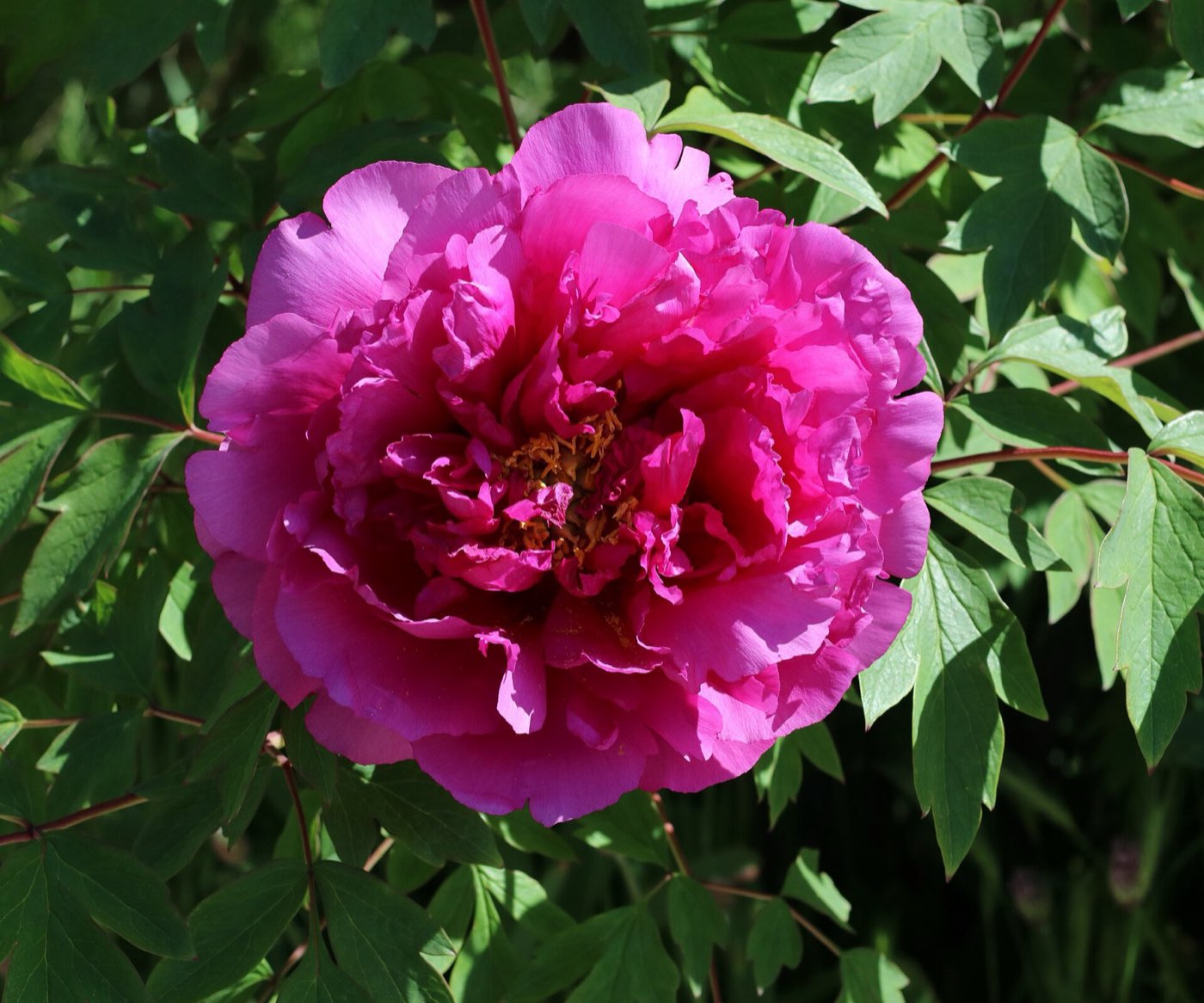
Peony

Peony Paeonia

Flowers: late May to June.

Peonies are slow to settle, but a well placed plant can flower for decades. Herbaceous types die back every winter; tree peonies keep a woody frame. Both dislike being moved and flower poorly if planted too deep.

  • Herbaceous peonies: the buds on the root should sit no more than 3 to 5 cm below the soil.
  • Cut for the vase at the soft bud stage, when it feels like a marshmallow.
  • Ants on the buds are harmless and do not need treating.
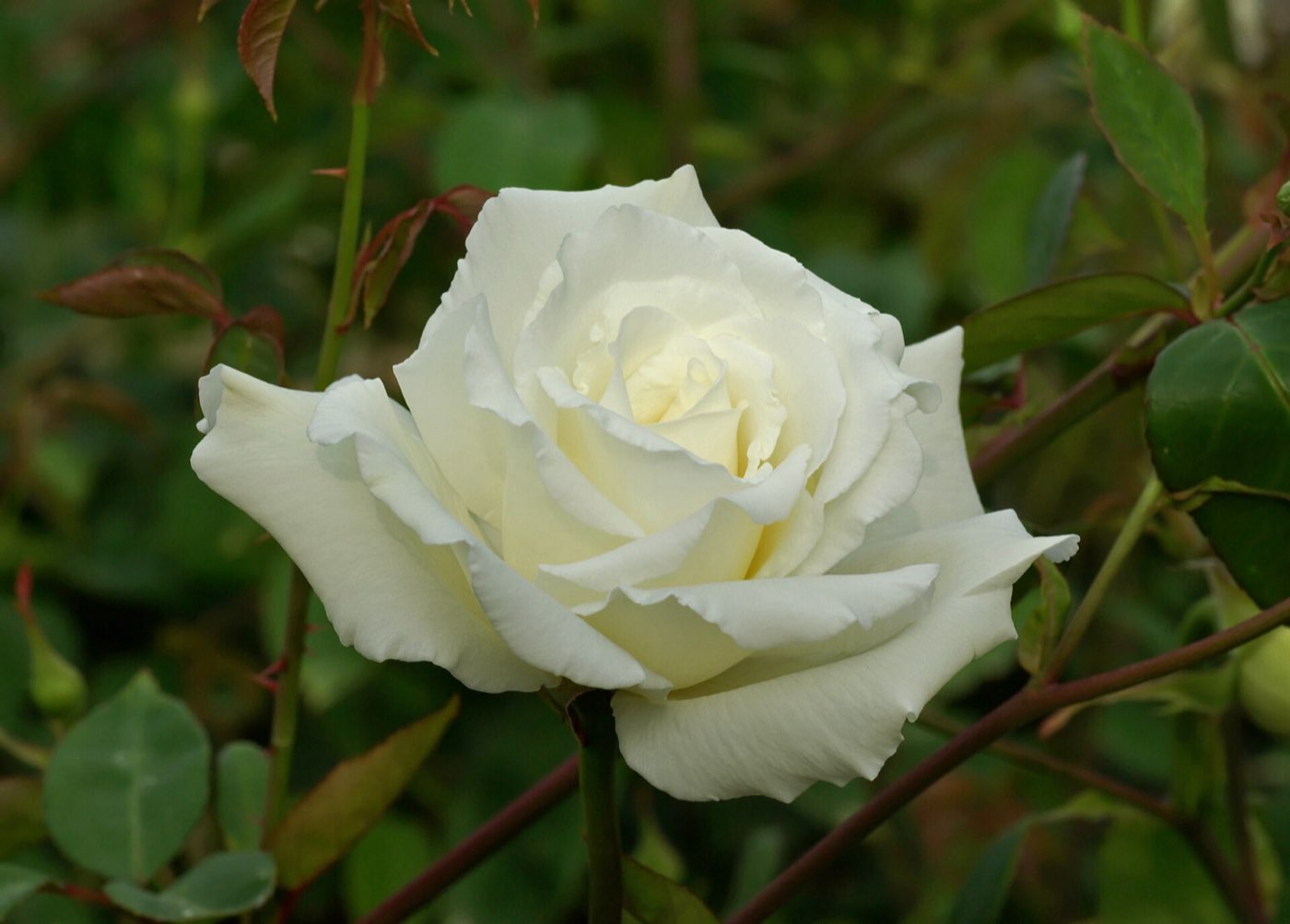
Rose

Rose Rosa

Flowers: June, then repeats until autumn on modern varieties.

Roses reward generous feeding and plenty of sun. Repeat flowering varieties keep producing if the faded flowers are removed, while once flowering old roses are left alone so they can form hips for autumn.

  • Water the soil, not the leaves, to reduce black spot.
  • Prune in early spring as the buds swell, cutting just above an outward facing bud.
  • Mulch in spring to keep the roots cool and moist.
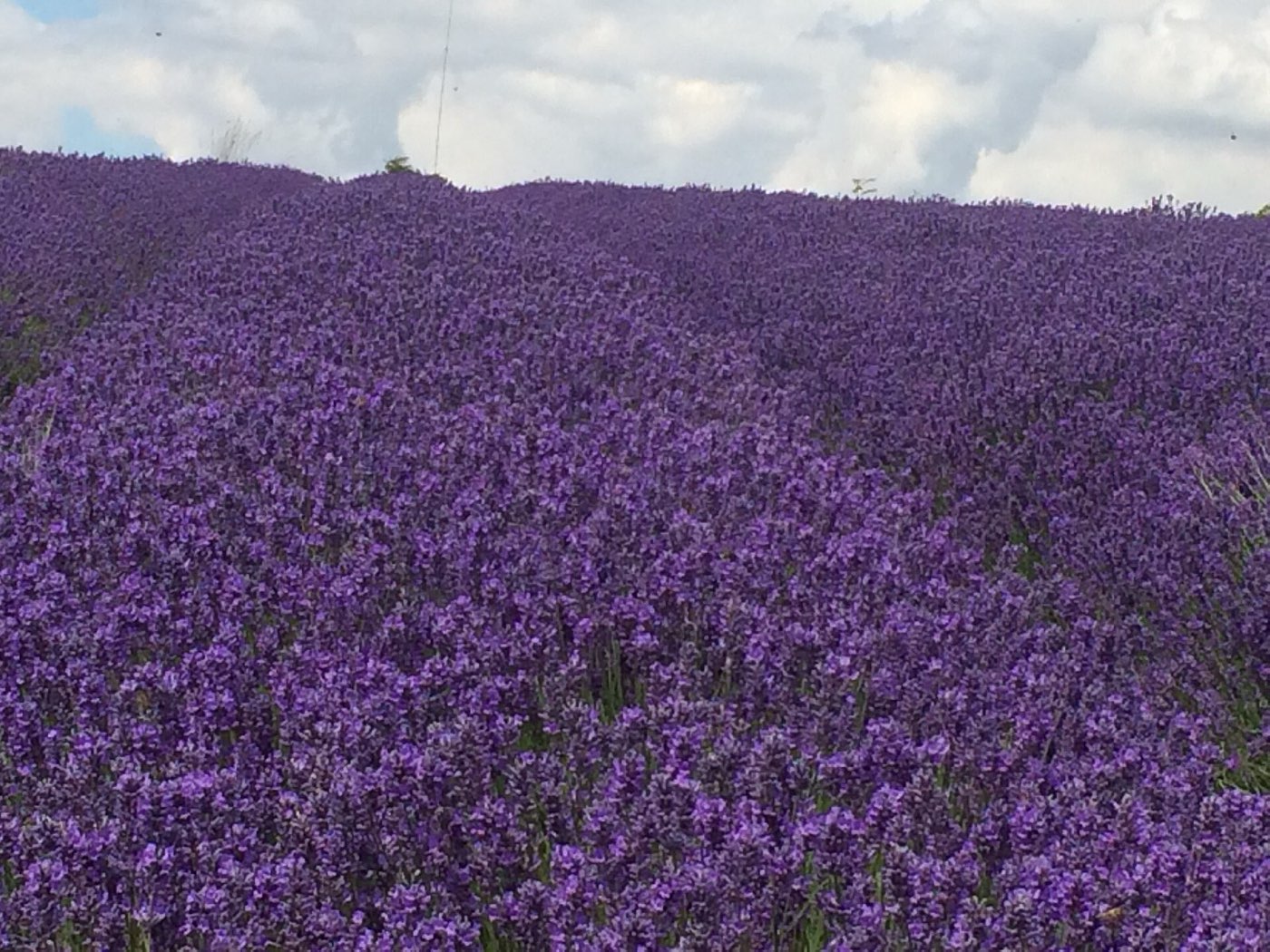
Lavender

Lavender Lavandula angustifolia

Flowers: July.

Lavender comes from dry Mediterranean slopes and suffers more from wet winters than from cold ones. Grown in poor, free draining soil it stays compact and scented; rich soil makes it floppy.

  • Trim by about a third right after flowering, keeping some green on every stem.
  • Never cut back into bare old wood: it rarely regrows.
  • For drying, harvest when the lowest flowers on the spike have just opened.
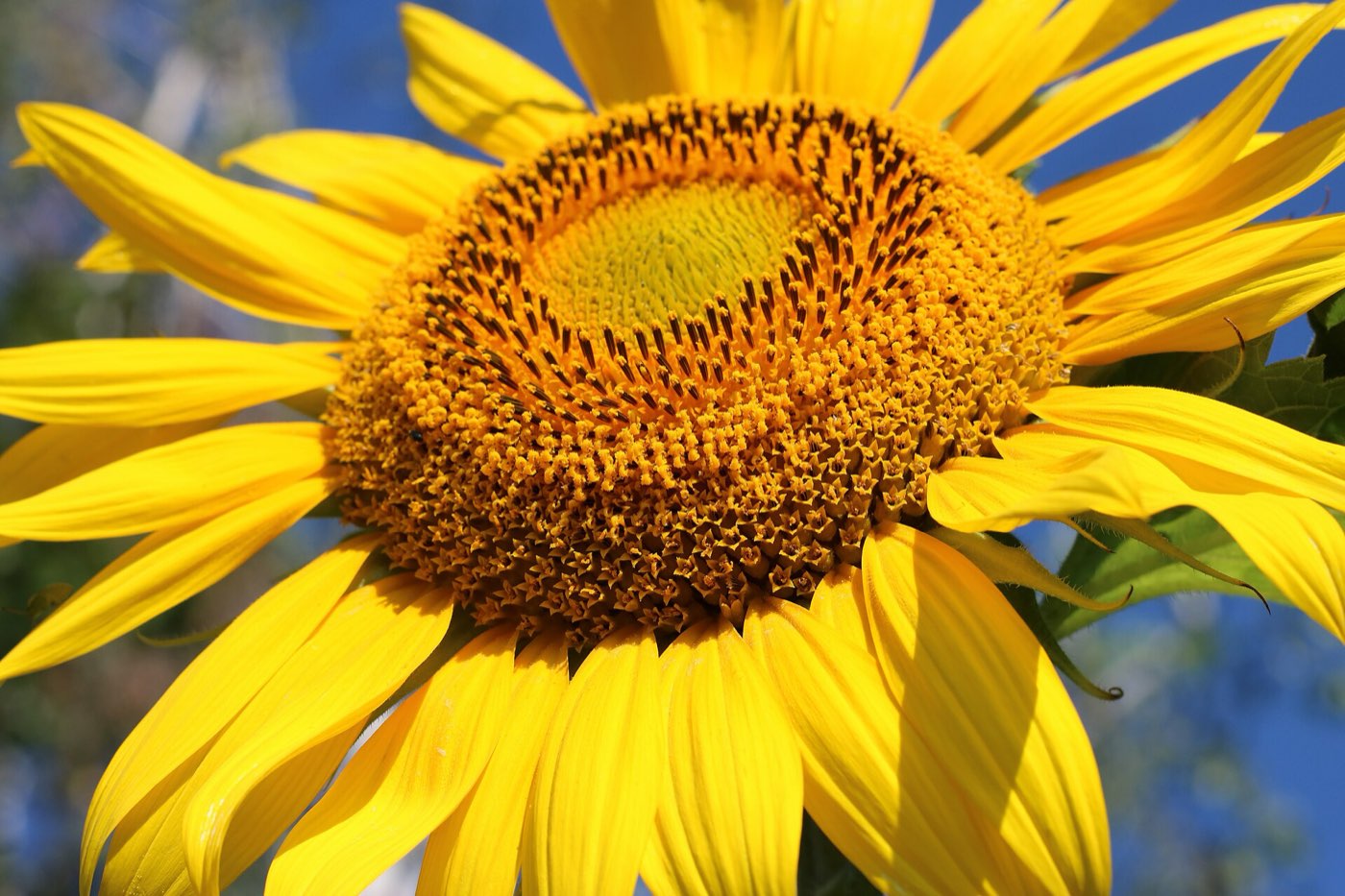
Sunflower

Sunflower Helianthus annuus

Flowers: July to September. Sow: May.

Sunflowers grow astonishingly fast from a direct sowing once the soil is warm. Tall single stem varieties need a stake in windy gardens; branching types give more, smaller flowers for cutting.

  • Sow outdoors two to three centimetres deep after the last frost.
  • Protect seedlings from slugs for the first two weeks.
  • Leave a few heads standing in autumn for the birds.
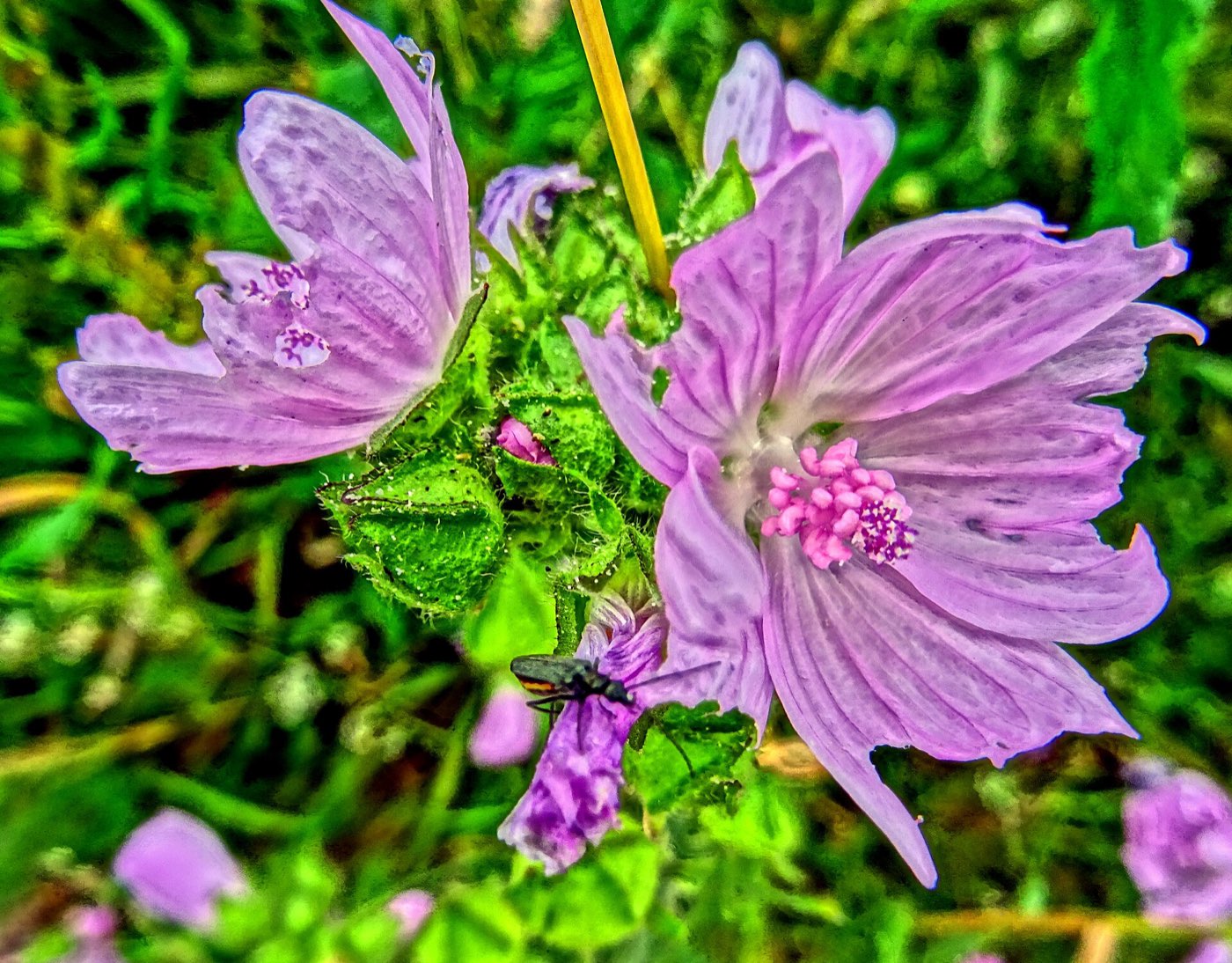
Mallow

Mallow Malva

Flowers: June to September.

Mallows are easy, long flowering plants for the edge of a border or a wild corner. They self sow freely and attract bees all summer.

  • Cut back after the first flush to get a second one.
  • They are short lived, so let a few seedlings grow on as replacements.